
In 2020, more than 17 million people were living with cancer in the United States, with treatment costs surpassing $200 billion, according to the National Cancer Institute. While advancements in medical technology have led to a decrease in cancer mortality rates, the number of diagnosed cases continues to rise. The American Cancer Society reports that 2024 is projected to be the first year the United States will see more than two million new cancer cases.
For over a century, high-dose systemic therapies like chemotherapy have been the cornerstone of cancer treatment. Although these drugs have been successful for some patients, they often compromise the immune system and come with severe adverse effects. Dr. Nathan Goodyear, an integrative physician at the Williams Cancer Institute, explains that the systemic-to-tumor approach can contribute to recurrence and metastasis. He emphasizes that the need for innovative cancer treatments is more critical than ever.
Fecal Transplantation
Fecal transplantation, also known as fecal microbiota transplantation (FMT), is emerging as a promising cancer therapy. It involves transplanting fecal matter from a healthy donor into a patient’s gastrointestinal tract to restore a balanced gut microbiome, often disrupted in cancer patients. A 2023 study found that using fecal transplants along with immunotherapy significantly boosted survival in advanced colorectal cancer patients. Dr. Yinghong “Mimi” Wang from MD Anderson Cancer Center explains that FMT can improve gut health and treat immunotherapy-induced colitis. The process varies, with methods including colonoscopy, enema, freeze-dried capsules, or direct infusion.
Pulse Electric Field Therapy
Pulse Electric Field (PEF) therapy uses electrical pulses to disrupt cancer cell membranes, sparing healthy tissue. This method offers a less invasive and more precise alternative to traditional treatments. A 2023 study showed that nano-pulsed PEF reduced multidrug resistance in pancreatic cancer cells. Recent advancements at the Williams Cancer Institute include nano-pulsed PEF, which penetrates cancer cells more deeply, offering therapeutic options for patients unsuitable for surgery, chemotherapy, or radiation.
Cryoablation
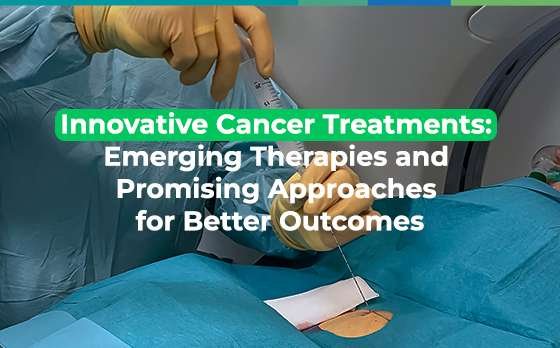
Cryoablation uses extreme cold to destroy cancerous tissues, providing a minimally invasive option that targets tumors while sparing healthy tissue. A 2022 study found that cryoablation offers quicker recovery times and better tumor response than traditional methods. In a Japanese study, 99.74 percent of women with breast cancer treated with cryoablation had no return of the disease. This treatment not only kills cancer cells but also stimulates the immune system by releasing neoantigens, improving long-term outcomes.
Intratumoral Immunotherapy
Intratumoral immunotherapy involves injecting immune-boosting agents directly into tumors to trigger a systemic immune response. This approach has proven successful in treating various cancers. Dr. Jason Williams presented phase I trial results for intratumoral SYNC-T in stage IV prostate cancer, showing significant patient response. This therapy combines local tumor treatment with immune system activation, shifting from one-size-fits-all to precision cancer care.
Targeted Osmotic Lytic Therapy
Targeted Osmotic Lytic (TOL) therapy destroys cancer cells by increasing sodium levels inside them, causing the cells to break down. Dr. Christine Hauser explains that TOL uses an energy field to open specific sodium channels in cancer cells, combined with Digoxin to block sodium expulsion. This method can theoretically destroy cancer cells without harming healthy ones. While promising, TOL is still in experimental stages and not yet available in the United States.
Repurposed Medications
Repurposed medications use old, off-patent drugs to target cancer in innovative ways. This approach has gained traction due to lower costs and shorter approval times. Drugs like Celebrex, ivermectin, low-dose naltrexone, and Mebendazole are now being used to target specific cancer pathways. Metformin and aspirin have mechanisms that inhibit cancer cell growth and induce apoptosis. While not a cure, repurposed medications provide valuable support to traditional treatments, targeting cancer cells effectively when managed carefully.
Reference: Sheramy Tsai (2024, july 30). Six innovative cancer therapies for 2024. The Epoch Times. https://www.theepochtimes.com/health/six-new-cancer-therapies-offering-hope-in-2024-post-5691946?welcomeuser=1